Brand naming fails: 15 disasters and what they actually teach you
Ayds candy lost everything because of a disease it had nothing to do with. Tropicana dropped $30M in sales in two months. Gap pulled a logo after six days. The lessons are more useful than the laughs.

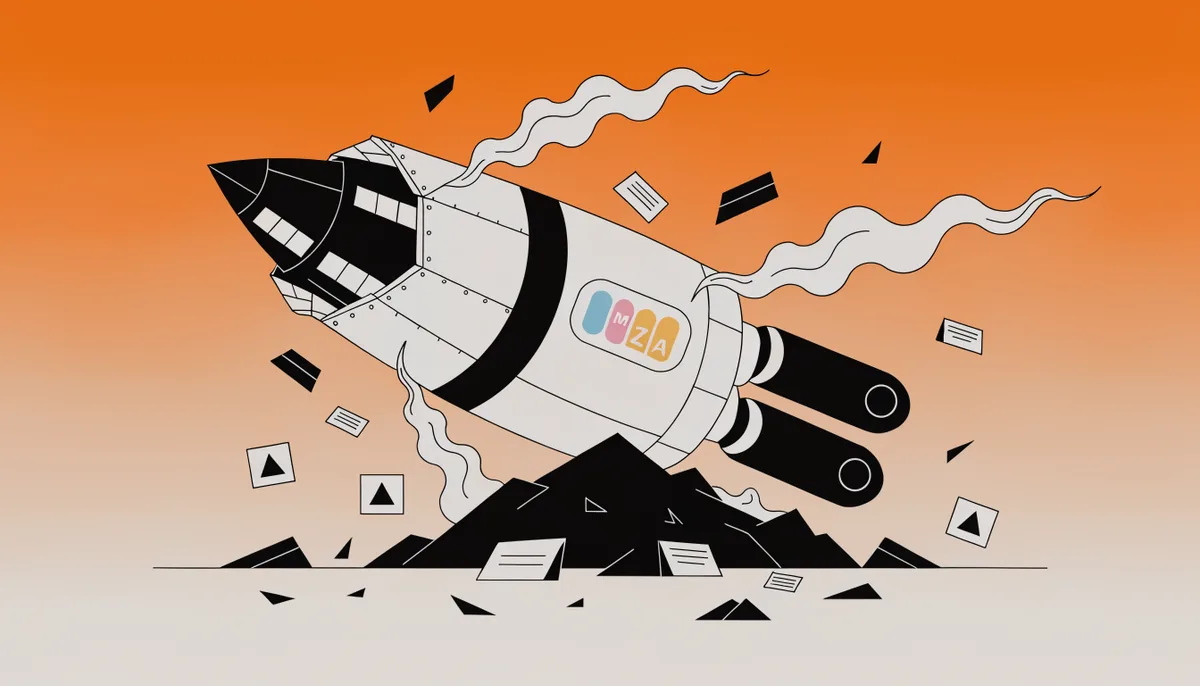
In 1977, Ayds was one of America's most successful diet products. An appetite suppressant candy sold in pharmacies, it had a loyal customer base and solid revenue. By 1988 it was essentially gone. Not because the product stopped working. Not because a competitor crushed it. Because a different four-letter word entered the public consciousness and sounded exactly like it.
No rebranding firm could have predicted AIDS. But the Ayds story isn't just a freak accident - it's a good illustration of what a name actually is. Not a label you put on a thing. A web of associations you don't fully control.
This article isn't a list of funny names to laugh at (though some of them are funny). It's a breakdown of failure patterns - seven distinct ways companies destroyed their brands through naming decisions. Most of them were avoidable. All of them are instructive.
The myth you've already heard (and why it matters)
Before we get to the real disasters, let's clear the air about a fake one.
The Chevrolet Nova supposedly bombed in Latin America because "no va" means "doesn't go" in Spanish. You've probably heard this. It's almost certainly been in a marketing textbook you read. It's also not true.
The Nova sold well in Mexico and Venezuela. GM's own sales data showed it exceeded expectations in Spanish-speaking markets. Linguists have pointed out the obvious: Spanish speakers don't automatically parse "nova" as two words any more than English speakers hear "carpet" as "car" plus "pet." Snopes rated it false. NPR covered the myth. Multiple branding scholars have debunked it.
Why does this matter? Because if we let myths do the teaching, we learn the wrong lessons. The real cases - the ones that actually happened - are more instructive precisely because they're more complicated than "oops, wrong language."
Seven ways names fail
1. Context poisoning
Your name means nothing in isolation. It exists in a cultural moment, and that moment can change.
Ayds is the canonical example. The product launched in 1972, built genuine market share, and watched its name become catastrophic through no fault of its own. The company tried "Diet Ayds" as a fix, which produced the inevitable marketing nightmare: "Lose weight with Diet AIDS!" The brand was finished within years.
Nothing in Ayds' naming process was wrong by 1972 standards. The word was distinctive, easy to remember, vaguely positive-sounding. The failure was that names don't exist in a vacuum and the vacuum changed.
Can you audit for future associations? Not really. But you can avoid names that sit phonetically close to existing loaded terms, and you can move faster when the context turns than Ayds did.
1 in 5
Rebrands never recover to pre-rebrand brand sentiment levels
Hanover Research, 2022
$30M
Tropicana's sales loss in just two months after a packaging rebrand
The Branding Journal
6 days
How long Gap's new logo lasted before being pulled
The Branding Journal, 2010
$10M
Cost for HSBC to fix a translation error in their global slogan
ALTA Language Services
2. Translation traps
If your product crosses borders, your name crosses borders too - and it doesn't always survive the trip.
Clairol launched a curling iron in Germany called the Mist Stick without noticing that "mist" is German slang for manure. The product became, in practical terms, the Manure Stick. Sales were modest.
HSBC ran a global campaign with the slogan "Assume Nothing." In several markets, the translation landed as "Do Nothing" - not ideal messaging for a bank. Correcting it cost $10 million.
Braniff Airlines promoted their leather-seat service in Latin America with "Fly in leather." The Spanish worked fine most places. In Mexico, "vuela en cuero" means "fly naked."
KFC's "finger licking good" slogan got rendered in Chinese as "eat your fingers off." They caught it before full rollout, but not everyone gets lucky enough to catch it.
None of these required exotic cultural knowledge. The check just didn't happen. Someone assumed the name would travel. It didn't.
Warning
If you're launching in more than one market, run your name through native speakers in each one - not translation software. What Google Translate misses is exactly what will cost you.
3. Brand extension overreach
Sometimes the name itself is fine. The problem is what you put it on.
Colgate Kitchen Entrees is the legendary case. In the 1980s, Colgate launched a line of frozen meals under the Colgate brand. It was killed quickly and has been cited ever since as a textbook example of brand extension gone wrong.
The issue wasn't that Colgate was a bad name. It was that Colgate meant toothpaste and mint and oral hygiene. Consumers standing in the freezer aisle couldn't stop their brains from making that connection. The food felt wrong in a way they couldn't quite articulate but couldn't quite ignore.
The Colgate Kitchen Entrees case is actually somewhat disputed - some sources suggest the full scale of the product line has been exaggerated over time, and the Museum of Failure exhibits a replica rather than a confirmed original. But the underlying dynamic is real: brand associations built in one category transfer to adjacent categories whether you want them to or not. Virgin learned this with financial services. Amazon mostly succeeded with hardware. The determining factor was whether the brand's existing associations helped or hurt in the new context.
4. Panic rebrands
Two of the most expensive naming disasters in recent history weren't founding mistakes. They were changes made to something that wasn't broken.
Tropicana, 2009. Tropicana Pure Premium had one of the most recognizable packages in grocery retail: an orange impaled on a straw. Everyone knew it. The new CEO wanted a more modern look. Design firm Arnell Group charged $35 million for a complete redesign that removed the orange and replaced it with a glass of juice.
Within two months, sales dropped 20%. The losses hit $30 million. Consumers said they couldn't find the product on the shelf. Some thought the new packaging was a store brand. Tropicana pulled it and returned to the original.
The problem wasn't that they changed. Brands evolve. The problem was that the orange-and-straw was a recognition signal, not decoration, and the redesign treated it as the latter.
Gap, 2010. Gap replaced its 20-year-old logo with Helvetica text and a gradient blue square. They launched without any public testing.
The response was immediate and brutal. Over 2,000 negative comments appeared on Facebook within days. Someone created a parody logo generator that produced more than 14,000 variations. A Twitter account protesting the change gathered thousands of followers. Gap reversed the decision after six days.
The interesting thing about Gap is the timeline. Six days is not enough time to kill a product. It is enough time to measure public sentiment and admit a mistake. Most companies take months to do what Gap did in less than a week - which is why the long-term damage was contained, even if the short-term embarrassment was not.
5. Identity crisis rebrands
Some rebrands fail not because the execution was bad but because the logic was bad. The company changed its name because it wanted to be something it wasn't.
RadioShack became "The Shack" in 2009. Leadership decided RadioShack sounded dated and wanted a more contemporary feel. The Shack was supposed to feel casual, approachable. It didn't land that way. Customers who'd shopped at RadioShack for years found the change confusing. The new customers it was supposed to attract weren't attracted.
RadioShack filed for bankruptcy in 2015. The rebrand didn't cause that - the company had deeper problems defining what it was in a world where electronics were available everywhere. But the name change made the confusion worse. It signaled that the brand itself had given up on knowing what it was.
Twitter became X in 2023. Elon Musk renamed it and replaced the bird logo within days of acquiring the platform. Twitter's brand value had been estimated at $5.7 billion. Analysts placed X substantially lower, with some estimates around $4 billion.
Twitter had a verb. "To tweet" was in everyday language. X had none of that history and carried whatever associations came with it - the letter, X-rated, ex-something. Musk was explicit that he wanted to build something new rather than steward something existing. Whether that bet pays off long-term is still unclear. The short-term brand damage wasn't.
Tip
Before you change a name that people already know, ask what the name is currently doing for you. Recognition, trust, and category association are invisible until they're gone.
6. Trademark landmines
You can spend a year building a brand and discover on day 366 that you don't actually own it.
Poachable was a career-matchmaking startup with real press coverage and user traction. When they filed for trademark protection, the USPTO said no - too similar to "Poached" and "Poachee," both already registered. Mid-momentum rebrand: legal fees, lost brand equity, new ad spend, user confusion.
Trademark research before launch costs a few thousand dollars. Rebranding after you've built something costs much more - and money is the smaller part of it. Momentum is hard to rebuild.
This happens more than founders admit. Trademark checks feel bureaucratic when you're moving fast. They're not optional.
7. Founding-day mistakes
Not all naming disasters are dramatic. Some are just names that shouldn't have made it past the first conversation.
Snapchat launched as Picaboo. Not offensive, just soft - forgettable in a space where attention is everything. The founders caught it and rebranded. Snapchat was cleaner, more memorable, the right call. But it cost them time and early momentum to get there.
Analtech is a Delaware company that analyzes chemical compounds. The founders shortened "analyzing technologies." The logic was straightforward. The resulting name was a reliable source of juvenile jokes and awkward cold calls. The company still exists, which tells you the product worked. "Despite the name" is still a low bar.
These aren't Tropicana-scale disasters. But naming problems compound. Every sales call where someone stumbles over the name, every pitch where it lands wrong, every referral that gets garbled - it adds up faster than you'd expect.
What the patterns have in common
| Failure type | Root cause | Prevention |
|---|---|---|
| Context poisoning | No monitoring of external association risk | Avoid phonetic proximity to loaded terms; move fast when context shifts |
| Translation traps | No native-speaker review before international launch | Native speaker review in every market, not translation software |
| Brand extension overreach | Assumed brand associations would transfer positively | Test the category jump with real consumers first |
| Panic rebrand | Changed recognition signals without understanding their value | Audit what existing iconography is doing before replacing it |
| Identity crisis rebrand | Changed name to signal aspiration rather than solve real problems | Fix the underlying strategy; the name won't do it for you |
| Trademark landmines | Skipped legal clearance to move faster | Run trademark search before any public commitment to the name |
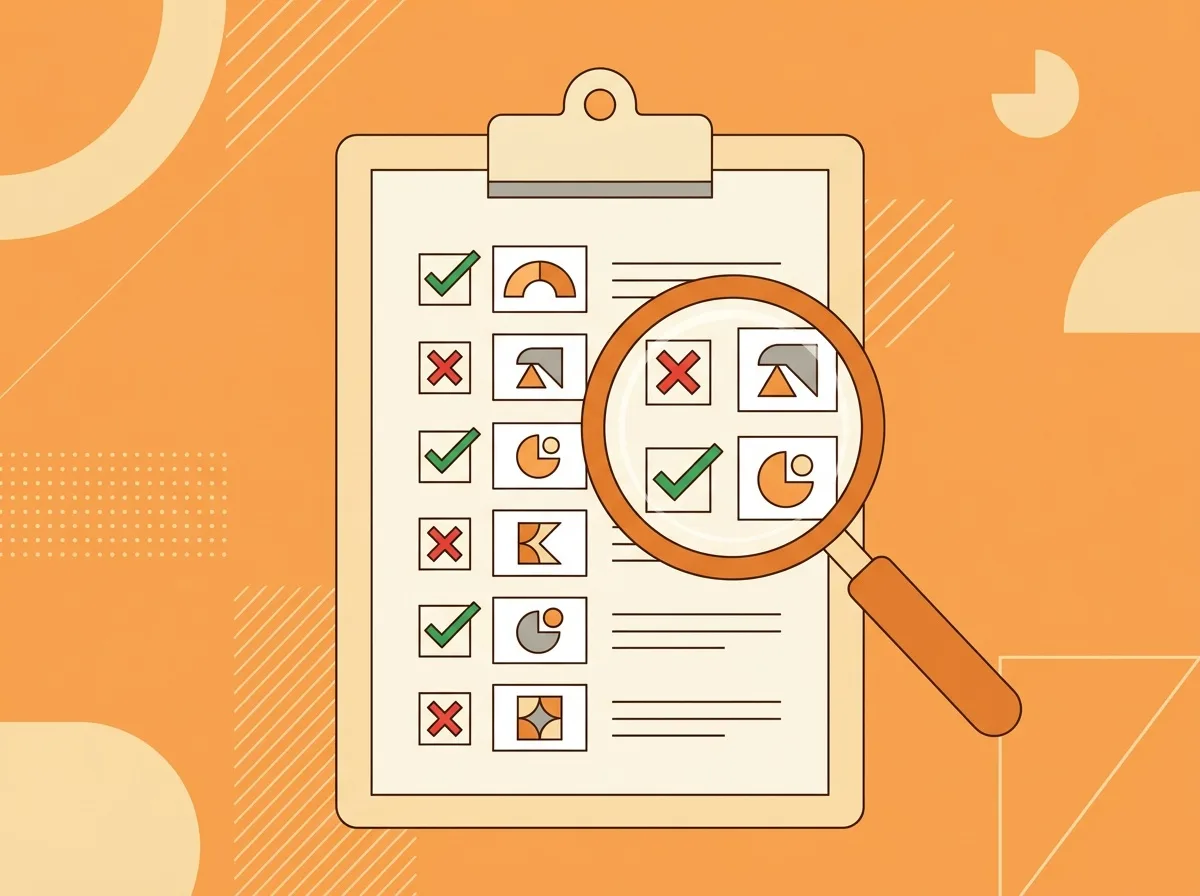
| Founding-day mistakes | Name chosen on feel without structured evaluation | Use a clear checklist: distinctiveness, memorability, legal availability, global viability |
Most naming disasters share one thing: a step that got skipped
The names that last - Stripe, Notion, Figma, Duolingo - aren't necessarily clever. They're clean. They don't fight their context. They don't carry baggage. They travel reasonably across languages. They were legally available when the founders needed them to be.
None of that is especially complicated. All of it requires asking the questions before you've already fallen in love with the answer.
Ayds
Diet products, 1970s-80s
A name destroyed not by bad strategy but by bad luck - phonetically identical to a word that didn't exist as a health crisis when the brand launched. The lesson: you can't predict everything, but you can move faster when the context turns.
Qwikster
Netflix DVD spin-off, 2011
Netflix announced this name 23 days before abandoning it, having already lost 800,000 subscribers from the price hike that accompanied the announcement. The name never got a real chance - it was dead before launch.
Mist Stick
Clairol, Germany
"Mist" is German slang for manure. A native speaker review would have caught this in five minutes. The check didn't happen.
Colgate Kitchen Entrees
Colgate-Palmolive food extension
Toothpaste associations don't help sell frozen chicken. The brand equity Colgate had built was genuinely powerful - in the wrong direction for food products.
The Shack
RadioShack rebrand, 2009
Dropped a name with 40 years of recognition to seem cooler. Filed for bankruptcy six years later. The rebrand didn't cause the bankruptcy, but it didn't help either.
Tropicana (2009 packaging)
PepsiCo juice brand
Spent $35M on a redesign that cost $30M in sales and was reversed in two months. The iconic orange-and-straw was doing more work than anyone realized until it was gone.
Twitter → X
Social media platform, 2023
Traded a recognizable brand with a verb ("tweet") baked into everyday language for a single letter with no associated meaning. Brand value fell by an estimated $1.7 billion in the transition.
Poachable
Career tech startup
Built for a year under a name the USPTO wouldn't protect. Mid-momentum rebrands are expensive in money, time, and trust - all three at once.
Picaboo (Snapchat)
Social media, early stage
Soft name in a high-attention category. Founders recognized it fast and rebranded. Snapchat worked. Picaboo probably wouldn't have.
Analtech
Chemical analysis, Delaware
Founders meant "analyzing technologies." The abbreviation created a different impression. The company survived the name - but "survived despite" is a low bar to clear.
Gap new logo
Retail fashion, 2010
No testing before launch. Reversed after six days. The speed of the reversal is actually the good lesson here - most companies take months to admit the same mistake.
HSBC 'Assume Nothing'
Banking, global
Translated as "Do Nothing" in several markets. Cost $10 million to fix. Translation review is not optional for global brands.
Before you commit to a name
Most founders pick names when they're exhausted, in a rush, and already half in love with something they thought of at 2am. The case for running a short checklist is right there in these stories - do it before you've told anyone the name, before you've bought the domain, before the attachment sets in.
The questions aren't hard. Does this mean what I want it to mean in every market I care about? Will a native speaker there hear anything I didn't intend? Is it legally available as a trademark in my category? What happens to this name if my category association shifts? What if the cultural context changes in a way I can't predict?
You don't need perfect answers. You need to have actually asked.
References and sources
- The Branding Journal - Gap Logo Redesign Fail - timeline and cost data
- Zoviz - Tropicana Rebranding Failure - sales drop figures and design cost
- ALTA Language Services - Translation Fails - HSBC, KFC, Braniff examples
- Snopes - Chevrolet Nova - debunking the Nova myth
- Hanover Research via Capital One Shopping - 1 in 5 rebrands never recover stat (2022)
- Inc. Magazine - Top Rebrand Disasters - RadioShack, Netflix/Qwikster
- Clutch - Worst Rebrands - Gap and Tropicana analysis
- Museum of Failure - Colgate Kitchen Entrees - Colgate food extension
- Ripley's - Truth Behind Colgate Beef Lasagna - context on what actually existed
- @Marketing_Nerd_ on X - The 12 Worst Rebrands of All Time thread
Create Your Own Brand Name
Inspired? Let AI help you co-create a unique name tailored to your brand vision.
Start Naming - Free